
Reducing food waste at home is a simple step that can have a big impact on the environment and your household budget. Every year, tons of edible food are thrown away due to spoilage, poor planning, or misunderstanding of expiration dates. By making a few changes in how you shop, store, and use food, you can significantly cut down on waste. Here are practical tips and strategies to help you get started.
Why Reducing Food Waste Matters
Food waste contributes to environmental problems like greenhouse gas emissions and wasted water resources. When food is discarded, all the energy, water, and labor used to produce it are lost as well. On a personal level, throwing away food means you’re also wasting money. By reducing waste, you contribute to a healthier planet and keep more money in your wallet.
Plan Your Meals and Shopping Wisely
One of the most effective ways to reduce food waste is to plan ahead.
Create a Weekly Meal Plan
Before heading to the store, plan your meals for the week. This helps you buy only what you need and reduces impulse purchases.
– Check your pantry and fridge first to see what you already have.
– Choose recipes that use similar ingredients to avoid leftovers going unused.
– Include some flexible meals like stir-fries or omelets where you can use up odds and ends.
Make a Shopping List and Stick to It
Based on your meal plan, write a shopping list and stick to it to avoid buying more than you can use.
– Avoid bulk buying perishable items unless you have a plan to use or preserve them.
– Consider buying loose fruits and vegetables so you can select the exact amount.
Store Food Properly to Extend Freshness
How you store food can significantly affect how long it stays fresh.
Use Proper Containers and Packaging
– Store fruits and vegetables in breathable bags or containers to reduce moisture buildup.
– Use airtight containers for leftovers and opened products to slow spoilage.
Organize Your Fridge and Pantry
– Keep older products in front so they get used first (“first in, first out” method).
– Store fruits and vegetables separately since some fruits release gases that can speed up spoiling.
Adjust Refrigerator Temperature
Make sure your fridge is set between 35°F to 38°F (1.5°C to 3°C) to keep food fresh but prevent freezing.
Use Leftovers Creatively
Leftovers can be transformed into delicious meals instead of ending up in the trash.
– Turn leftover vegetables into soups or stews.
– Use stale bread for croutons or breadcrumbs.
– Mix leftover meats into pasta dishes or salads.
You can also set a “leftover day” once or twice a week to make sure nothing goes to waste.
Understand Expiration Dates
Confusion about labels like “sell by,” “use by,” and “best before” often leads to unnecessary waste.
– “Sell by” is for stores to manage inventory; food is often still good after this date.
– “Best before” indicates quality; food might still be safe to eat afterward.
– “Use by” relates to safety; it’s best to follow these closely.
When in doubt, use your senses—check if food looks, smells, and tastes normal before discarding.
Preserve Food for Longer Use
If you buy in bulk or have excess food, preservation can help.
Freezing
Many fruits, vegetables, and cooked meals freeze well. Freeze portions in meal-sized containers to make reheating easy.
Canning and Pickling
If you enjoy DIY projects, canning or pickling can extend the life of produce.
Drying
Dry herbs, fruits, or vegetables for snacks or cooking ingredients.
Compost Food Scraps
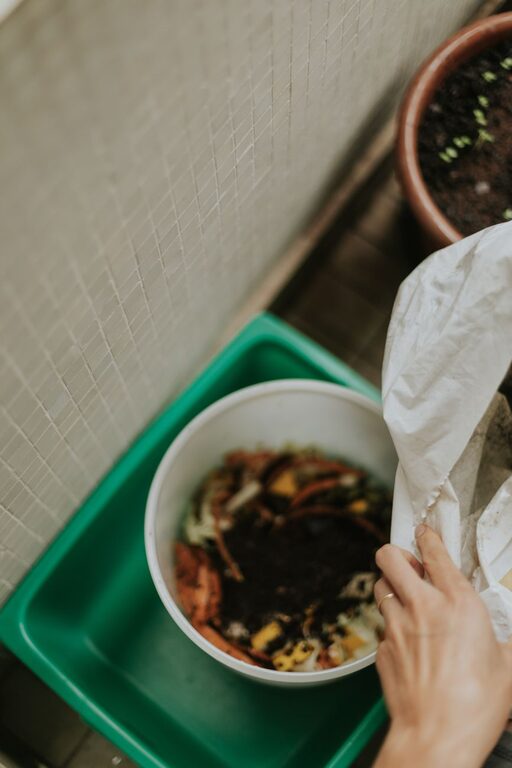
Even with careful planning, some food scraps are inevitable. Composting turns food waste into nutrient-rich soil for gardens.
– Collect peels, cores, and other non-meat scraps in a compost bin.
– Avoid composting dairy, oils, or meat to prevent odors and pests.
– If space or time is limited, check if your community offers food scrap pickup.
Educate Family Members
Involving everyone in your household makes reducing food waste easier.
– Share tips and explain why it matters.
– Encourage mindful eating and portion control.
– Plan meals together and assign responsibilities for leftovers.
Additional Tips to Keep in Mind
– Buy “imperfect” fruits and vegetables which are often discounted but perfectly edible.
– Use apps or websites that help track your food inventory.
– Donate excess non-perishable food to local food banks or shelters.
—
By adopting these habits, reducing food waste at home becomes a natural part of your routine. Not only will you help the environment, but you will also enjoy fresher meals and save money along the way. Start small, stay consistent, and watch the positive changes grow!