
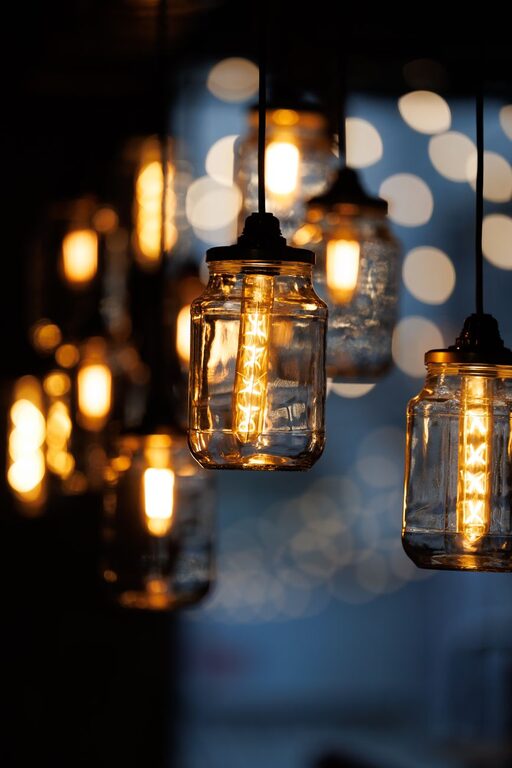
Creating a comfortable home environment involves many factors, and lighting plays a crucial role. The right lighting not only brightens your space but also sets the mood, supports daily activities, and even influences how you feel. Whether you’re redecorating, moving into a new home, or just thinking about upgrading your current setup, choosing comfortable home lighting can make a big difference. This guide provides useful tips to help you select the perfect lighting for your rooms.
Why Comfortable Lighting Matters
Comfortable lighting reduces eye strain, enhances the look of your furniture and décor, and fosters a cozy atmosphere. Harsh or dim lighting can cause headaches or make it difficult to concentrate, while thoughtfully chosen lighting supports relaxation and focus. Achieving comfortable lighting is about balance — combining the right type, brightness, and placement.
Understand Different Types of Lighting
Before choosing fixtures or bulbs, it’s helpful to understand the main types of lighting you can use in your home:
1. Ambient Lighting
This is the general illumination that fills a room. It comes from ceiling lights, wall-mounted fixtures, or large lamps and provides an even level of light without harsh shadows.
2. Task Lighting
Task lighting directs focused light to areas where specific activities happen, like reading, cooking, or working. Desk lamps, under-cabinet kitchen lights, and vanity lights are common examples.
3. Accent Lighting
Accent lighting highlights features such as artwork, plants, or architectural elements. It adds depth and layers to your lighting scheme, making spaces more visually interesting.
Tips for Choosing Comfortable Lighting
Follow these practical tips to create a well-lit, comfortable living space:
1. Consider the Room’s Purpose
Different rooms require different lighting levels. For instance:
– Living rooms benefit from warm, soft ambient lighting with flexible task lighting for reading.
– Kitchens need bright, clear lighting for food preparation.
– Bedrooms are best with adjustable lighting that can be dimmed for relaxation.
2. Choose the Right Bulbs
Bulb selection has a major impact on comfort. Here’s what to keep in mind:
– Color temperature: Warm white light (2700K-3000K) creates a cozy atmosphere, while cool white (3500K-4100K) is better for tasks or kitchens.
– Brightness: Measured in lumens, brighter bulbs suit larger rooms or task areas. Aim for softer light in relaxation zones.
– Bulb type: LED bulbs are energy-efficient, long-lasting, and available in various colors and brightness levels.
3. Use Dimmers and Controls
Dimmer switches let you adjust brightness to suit different times of day and moods. Smart lighting controls can offer presets and remote operation for added convenience.
4. Layer Your Lighting
Combining ambient, task, and accent lighting creates depth and flexibility. For example, in a living room:
– Use a ceiling fixture for general light.
– Add floor lamps or table lamps near seating areas.
– Include accent lights to highlight artwork or bookshelves.
5. Avoid Glare and Shadows
Uncomfortable glare can strain your eyes. Position lights to avoid direct exposure and choose fixtures with shades or diffusers. Proper placement reduces harsh shadows and bright spots.
6. Match Lighting Style to Your Décor
Choose lighting fixtures that complement your home’s design style. From modern minimalist to rustic farmhouse, the right fixtures contribute to the overall comfort and aesthetics.
7. Think About Energy Efficiency
Comfortable lighting can also be sustainable. LEDs use less energy and produce less heat than traditional bulbs, which keeps rooms cooler and lowers electricity bills.
Practical Room-by-Room Lighting Ideas
Living Room
– Install a central ceiling light with a dimmer.
– Add floor lamps near sofas for task lighting.
– Use warm white bulbs to make the space inviting.
– Incorporate accent lighting for shelves or artwork.
Kitchen
– Bright overhead lighting is essential.
– Under-cabinet lights illuminate countertops for cooking.
– Use cool white bulbs for clear visibility.
– Consider motion sensors for convenience and saving energy.
Bedroom
– Use soft, warm light to promote relaxation.
– Bedside table lamps with adjustable brightness work well.
– Avoid harsh overhead lights; opt for indirect or recessed lighting.
– Consider smart bulbs to adjust lighting for reading or winding down.
Bathroom
– Bright, shadow-free lighting around the mirror is key.
– Use daylight or cool white bulbs for accurate color rendering.
– Waterproof fixtures keep the space safe and functional.
Final Thoughts
Choosing comfortable home lighting is about more than just brightness. It’s about creating a welcoming environment that meets your lifestyle needs while enhancing your décor. By understanding the types of lighting, using the right bulbs, layering light sources, and considering energy efficiency, you can transform your home into a comfortable and well-lit retreat.
Take your time experimenting with different setups and don’t hesitate to consult with a lighting professional if you need extra guidance. Good lighting can truly change the way you experience your home!