
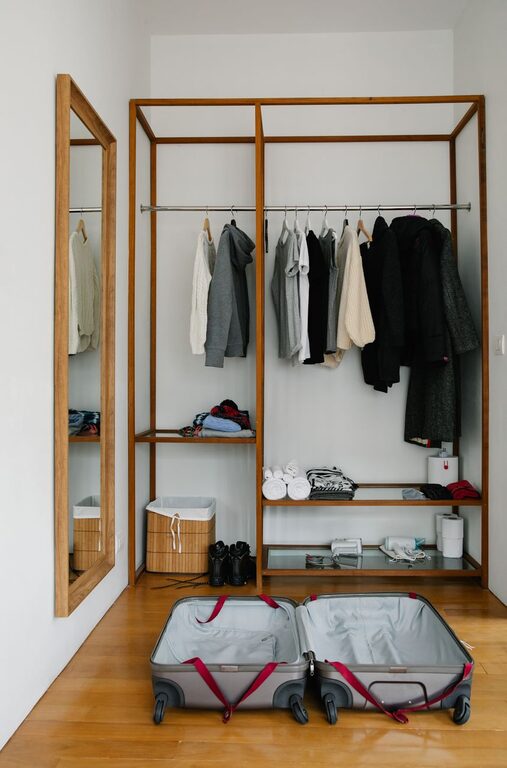
Storing seasonal clothes efficiently can transform your living space, making your wardrobe easier to manage and preserving your garments in great condition. Whether you’re switching from winter coats to summer dresses or packing away autumn sweaters, having a clear system can save time and reduce clutter. Here’s a comprehensive guide to help you store your seasonal clothes smartly and efficiently.
Why Store Seasonal Clothes Properly?
When clothes are stored without care, they can become wrinkled, damaged, or even attract pests. Proper storage not only protects your items but also makes it easier to find what you need when the season changes. This organization also opens up space in your everyday closet, making your daily routine more enjoyable.
Step 1: Sort and Declutter
Before storing, start by sorting your clothes.
– Separate by season: Group your clothes into categories like winter, spring, summer, and fall.
– Assess condition: Check for stains, tears, or wear and repair or clean items as needed.
– Declutter: Donate or recycle clothes you no longer wear to keep only what you truly need.
Step 2: Clean Your Clothes
Never store clothes without cleaning them first. Dirt and oils can attract pests and cause damage over time.
– Wash or dry clean: Follow care labels carefully.
– Ensure clothes are completely dry: Moisture can lead to mildew or mold.
Step 3: Choose the Right Storage Containers
The container you use is crucial for protecting your clothing.
– Plastic bins with airtight lids: Great for moisture protection and stacking.
– Fabric storage bags: Allow clothes to breathe while keeping dust at bay.
– Vacuum-sealed bags: Perfect for saving space but not recommended for delicate fabrics.
– Garment bags: Ideal for hanging coats, dresses, or suits.
Step 4: Use Proper Storage Techniques
How you pack your clothes affects how well they stay preserved.
Folding vs. Hanging
– Fold bulky sweaters and knitwear to prevent stretching.
– Hang delicate or structured garments like coats or dresses to maintain shape.
Packing Tips
– Use acid-free tissue paper between folds to reduce creases.
– Avoid over-packing bins: clothes should not be tightly squeezed.
– Place heavier items at the bottom of storage containers.
– Add lavender sachets or cedar blocks to deter moths and add freshness.
Step 5: Label Everything
Labeling makes seasonal transitions smoother.
– Use clear labels on bins or bags with the season and contents.
– Consider a numbering system linked to an inventory list for large wardrobes.
Step 6: Find the Best Storage Location
Where you store seasonal clothes affects their condition.
– Cool, dry, and dark areas like closets, under-bed storage, or closets inside the house are ideal.
– Avoid basements or attics prone to moisture or temperature extremes.
– Keep containers off the floor to prevent water damage.
Bonus Tips for Maintaining Seasonal Clothing Storage
– Rotate clothes seasonally: Bring out the new season’s clothes while putting the previous ones away.
– Inspect stored clothes regularly: Check for any signs of damage or pests.
– Use cedar or lavender: These natural repellents help keep moths away without chemicals.
– Consider storage furniture: Ottomans or beds with built-in storage can be practical and space-saving.
Conclusion
Efficiently storing your seasonal clothes not only protects your investment but also keeps your home tidy and organized. By sorting, cleaning, choosing the right containers, and labeling everything, you’ll simplify your seasonal wardrobe changes and enjoy an uncluttered living space all year long. Try these tips to make your next seasonal switch a breeze!